Embark on a culinary adventure with “Unlocking the Secrets: A Comprehensive Guide to Food Preservation Methods.” Discover the art of preserving food, extending its shelf life while retaining its nutritional value and exquisite flavors. From traditional canning and pickling to modern sous-vide and freeze-drying techniques, this guide provides a comprehensive exploration of preservation methods, ensuring food lovers and home cooks alike can savor the taste of freshness all year round.
Food Preservation Methods
In the realm of culinary artistry, where flavors ignite the senses and memories are forged, the art of food preservation stands as a testament to our ancestors’ ingenuity. For centuries, humans have sought ways to extend the lifespan of their precious food, transforming fleeting harvests into culinary treasures that grace our tables year-round.
Canning: Preserving Perfection in Jars
Canning, an age-old technique that has stood the test of time, involves sealing food in airtight jars or cans and heating them to kill harmful bacteria. This method has revolutionized the way we store fruits, vegetables, and meats, preserving their goodness for months on end.
Benefits of Canning:
- Retains nutrients and flavors exceptionally well
- Extends shelf life significantly, ensuring a steady supply of seasonal produce
- Convenient and versatile, allowing for easy storage and transportation
Disadvantages of Canning:
- Requires specialized equipment and careful technique to ensure safety
- Some foods may lose texture or color during the canning process
Freezing: Capturing Freshness at Its Peak
Freezing, a modern marvel that has transformed the way we preserve food, involves rapidly lowering the temperature of food to halt enzymatic reactions and microbial growth. This method allows us to enjoy the bounty of fresh produce, meats, and even cooked dishes throughout the year.
Benefits of Freezing:
- Preserves nutrients and flavors remarkably well, maintaining the original taste and texture
- Convenient and easy to implement, requiring minimal equipment or expertise
- Versatile, allowing for the preservation of a wide range of foods
Disadvantages of Freezing:
- Requires adequate freezer space and reliable power supply
- Some foods, such as lettuce or cucumbers, may lose their texture or become limp when frozen
Drying: Concentrating Flavors, Naturally
Drying, an ancient technique that has stood the test of time, involves removing moisture from food to inhibit microbial growth. This method has been used for centuries to preserve fruits, vegetables, meats, and herbs, resulting in concentrated flavors and extended shelf life.
Benefits of Drying:
- Significantly extends shelf life, making dried foods ideal for long-term storage
- Enhances flavors, creating intense and concentrated tastes
- Portable and convenient, perfect for backpacking, camping, or snacking on the go
Disadvantages of Drying:
- Requires specialized equipment or favorable weather conditions for effective drying
- Some foods may lose nutrients or become tough or chewy if overdried
Pickling: Preserving with Tangy Goodness
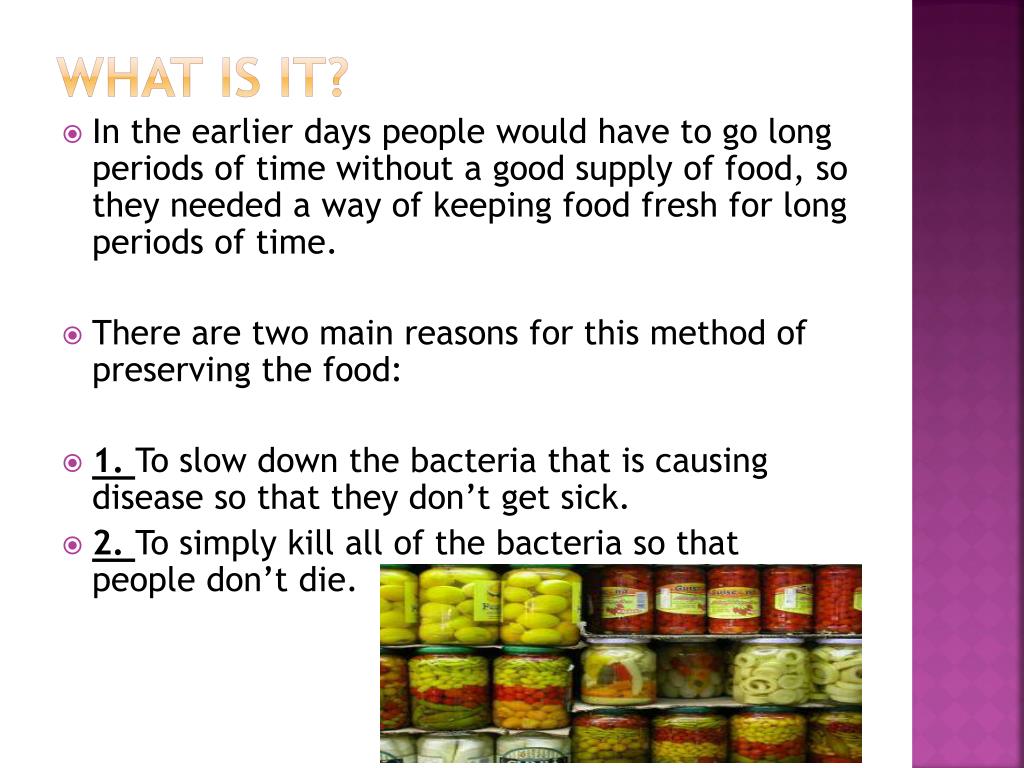
Pickling, a culinary art that dates back to ancient civilizations, involves preserving food in a vinegar-based solution. This method infuses foods with a delightful tang and acidity, inhibiting bacterial growth and extending their shelf life.
Benefits of Pickling:
- Imparts a unique and flavorful tang to foods, enhancing their taste and versatility
- Extends shelf life significantly, allowing for long-term storage and enjoyment
- Versatile, allowing for the preservation of a wide range of vegetables, fruits, and meats
Disadvantages of Pickling:
- Requires specialized ingredients and careful technique to ensure safety and prevent spoilage
- Some individuals may find the sour taste of pickles to be overpowering or unpalatable
Curing: Preserving with Salt and Time
Curing, an ancient technique that has been used for centuries to preserve meats, involves using salt, nitrates, and sometimes sugar to inhibit bacterial growth and enhance flavor. This method has given us culinary delights such as bacon, ham, and jerky, which can be enjoyed for weeks or even months.
Benefits of Curing:
- Extends shelf life significantly, allowing for long-term storage and transportation
- Enhances flavors, creating rich and savory tastes
- Imparts a unique texture to meats, making them tender and flavorful
Disadvantages of Curing:
- Requires specialized knowledge and careful technique to ensure safety and prevent spoilage
- High salt content may be a concern for individuals with certain dietary restrictions
Fermentation: Preserving with Friendly Microbes
Fermentation, a natural process that has been used for centuries to preserve food, involves using beneficial bacteria or yeast to convert sugars into acids, alcohol, or gases. This method has given us culinary treasures such as yogurt, cheese, beer, and sauerkraut, which are not only delicious but also offer a host of health benefits.
Benefits of Fermentation:
- Extends shelf life by inhibiting the growth of harmful bacteria
- Enhances flavors, creating complex and tangy tastes
- Produces beneficial probiotics, which support gut health and overall well-being
Disadvantages of Fermentation:
- Requires specialized knowledge and careful technique to ensure safety and prevent spoilage
- Some individuals may find the sour or yeasty taste of fermented foods to be unpalatable Discover the secrets of manipulating flavor and texture in molecular gastronomy. Molecular Gastronomy Facts
Understand how cooking temperatures influence the outcome of your culinary creations. Cooking Temperatures Effects
Learn the fundamental principles of food chemistry to unlock the secrets of cooking like a pro. Food Chemistry Basics
Delve into the science behind taste and texture, uncovering the secrets of creating mouthwatering dishes. Texture and Flavor Science

Drying: Removes moisture from food to inhibit bacterial growth and extend shelf life for weeks or months.
When it comes to preserving food, one of the most ancient and effective methods is drying. This technique involves removing moisture from food to create an environment where bacteria and other spoilage-causing microorganisms can’t thrive. As a result, dried foods can last for weeks or even months without refrigeration. Who knew that removing water could be so powerful?
Drying is a versatile technique that can be used with a variety of foods, including fruits, vegetables, herbs, and even meat. And with a little creativity, the possibilities are endless. You can sun-dry tomatoes for a burst of flavor in your pasta, dehydrate apples for a healthy and portable snack, or create your own beef jerky for a protein-packed adventure companion.
Here are some of the benefits of drying food:
Extended shelf life: Drying removes moisture, which prevents bacteria from growing and spoiling food. This means that dried foods can last for much longer periods of time than fresh foods.
Nutrient retention: Drying preserves the nutrients in food, making it a great way to store fruits and vegetables for later use.
Concentrated flavor: Drying can concentrate the flavors of food, making it a great way to add a burst of flavor to your dishes.
Convenience: Dried foods are lightweight and easy to store, making them a great option for camping, hiking, and other outdoor activities.
Versatility: Dried foods can be used in a variety of dishes, from soups and stews to salads and snacks.
If you’re interested in trying food drying, there are a few things you’ll need to know. First, you’ll need to choose a drying method. There are two main types of drying methods: air drying and dehydrating.
Air drying is the simplest method of drying food. It involves placing the food in a warm, dry place and allowing the air to circulate around it. This method is best suited for small batches of food and foods that are not too thick.
Dehydrating is a more controlled method of drying food. It involves using a dehydrator to remove moisture from the food. Dehydrators can be purchased online or at kitchen stores. They come in a variety of sizes and prices, so you can choose one that fits your needs and budget.
Once you’ve chosen a drying method, you’ll need to prepare the food. This may involve washing, slicing, or blanching the food. Once the food is prepared, you can begin the drying process.
Key Takeaways:
- Drying is an ancient and effective method of food preservation.
- Drying removes moisture from food, preventing bacterial growth and spoilage.
- Dried foods have a longer shelf life than fresh foods.
- Drying preserves nutrients and concentrates flavors.
- Dried foods are lightweight, easy to store, and versatile.
- There are two main types of drying methods: air drying and dehydrating.
- Air drying is best suited for small batches of food and foods that are not too thick.
- Dehydrating is a more controlled method of drying food and is best suited for larger batches of food and foods that are thick or dense.
Pickling: Preserves food in a vinegar solution, adding flavor and preventing spoilage.
When it comes to preservation, pickling is an ancient technique that involves submerging food in a vinegar solution. This method not only extends the shelf life of your culinary creations but also infuses them with a delightful tang and an array of health benefits owing to the presence of acetic acid.
Vinegar, the star of the pickling process, is a natural preservative that inhibits the growth of bacteria and other microorganisms that cause spoilage. This acidic environment creates an inhospitable terrain for these unwanted guests, effectively halting their decomposition endeavors.
Beyond its role as a food preserver, pickling also adds a burst of flavor to your culinary creations. The vinegar solution, often infused with herbs, spices, and other flavorings, seeps into the food, imparting a harmonious blend of tang, sourness, and aromatic complexity.
Pickling essentials:
- Choose the right vinegar: White vinegar is a versatile option for pickling, but you can experiment with apple cider vinegar, rice vinegar, or even wine vinegar for unique flavor profiles.
- Select fresh, high-quality ingredients: The quality of your ingredients directly influences the final product, so opt for fresh, blemish-free produce and herbs.
- Sterilize your jars and lids: Cleanliness is paramount in pickling to prevent contamination. Sterilize your jars and lids by boiling them in water for 10 minutes before use.
Pickling process:
- Prepare the pickling solution: Combine vinegar, water, salt, sugar, and your desired seasonings in a saucepan. Bring the mixture to a boil, stirring until the salt and sugar dissolve. Allow the solution to cool slightly.
- Pack the jars: Pack your chosen vegetables, fruits, or meats tightly into sterilized jars, leaving about an inch of headspace at the top.
- Pour the pickling solution: Carefully pour the cooled pickling solution over the packed jars, ensuring the food is completely submerged.
- Seal the jars: Wipe the rims of the jars clean, then seal them tightly with sterilized lids.
- Store the jars: Store the sealed jars in a cool, dark place for at least two weeks to allow the pickling process to work its magic.
Key Takeaways:
- Pickling is an ancient technique that preserves food using vinegar.
- It inhibits the growth of bacteria and extends shelf life.
- Vinegar adds flavor and complexity to pickled foods.
- Sterilization and clean jars are essential to prevent contamination.
- Experiment with different vinegars, seasonings, and ingredients.
- Patience is key - let the pickles mature for at least two weeks.
Fermentation: Unveiling the Magic of Beneficial Microbes in Food Preservation
Fermentation, a culinary alchemy that has existed for millennia, harnesses the power of beneficial bacteria or yeast to transform food components into acids, alcohol, or gases. This not only enhances flavor and aroma but also acts as a natural preservative, extending the shelf life of food without compromising its nutritional value.
Similar to how sourdough bread owes its tangy flavor to the yeast’s fermentation of the dough, a wide range of foods can undergo this remarkable transformation. From the tangy twang of sauerkraut to the umami-rich complexity of soy sauce, fermentation adds depth and complexity to everyday ingredients.
How Does Fermentation Work?
The secret lies in the metabolic processes of microorganisms such as bacteria and yeast. These tiny organisms feed on the sugars and starches present in food, producing various byproducts as they feast. These byproducts can include acids, alcohol, gases, and other compounds that contribute to the unique characteristics of fermented foods.
Benefits of Fermentation
Fermentation offers a plethora of benefits, making it a valuable technique in the culinary world. Let’s explore some of its advantages:
Preservation: Fermentation acts as a natural preservative, extending the shelf life of food by inhibiting the growth of spoilage-causing microorganisms. This remarkable ability to preserve nutrients while enhancing flavor makes fermented foods a valuable asset in any pantry.
Flavor Development: The metabolic activities of microorganisms produce a symphony of flavors, aromas, and textures. From the tangy sharpness of yogurt to the rich umami of miso, fermentation adds complexity and depth to everyday ingredients.
Nutritional Enhancement: Fermentation often increases the bioavailability of nutrients, making them more easily absorbed and utilized by the body. This process can enhance the nutritional value of foods, particularly plant-based sources of protein.
Probiotics: Many fermented foods are rich sources of probiotics, beneficial bacteria that support gut health. These probiotics can help improve digestion, boost the immune system, and contribute to overall well-being.
Fermentation Methods
Fermentation can be broadly categorized into two primary methods:
Lactic Acid Fermentation: This type of fermentation relies on lactic acid bacteria to convert sugars into lactic acid. Common examples include yogurt, cheese, sauerkraut, and kimchi.
Alcoholic Fermentation: In alcoholic fermentation, yeast converts sugars into alcohol and carbon dioxide. Beer, wine, and bread are all products of this process.
Fermentation in Action: A Culinary Adventure
From the sourdough starter bubbling away on the kitchen counter to the kombucha SCOBY diligently fermenting in its jar, fermentation is a culinary adventure that invites experimentation and creativity. Whether you’re a seasoned fermenter or a curious novice, there’s a world of flavors waiting to be discovered.
Key Takeaways:
- Fermentation is a natural preservation method that harnesses the power of beneficial bacteria and yeast.
- It extends shelf life, enhances flavor and aroma, and increases nutritional value.
- Fermented foods can be a rich source of probiotics, supporting gut health.
- Common fermentation methods include lactic acid fermentation and alcoholic fermentation.
- Experimentation is key to discovering the diverse flavors and possibilities of fermentation.

